Around 500 mammals, birds, amphibians, and reptiles are endangered due to environmental damage and pollution. For the sustainable development of the earth, we must make some changes!
Washington, D.C. (Merxwire) – Environmental destruction and pollution have made the earth face the test of the sixth mass extinction. PNAS pointed out that human activities on the earth seriously affect the living environment of animals, causing hundreds of Wild animals are on the verge of extinction. The Sixth Mass Extinction currently taking place has led to more biological species on the brink of extinction.
Expert research
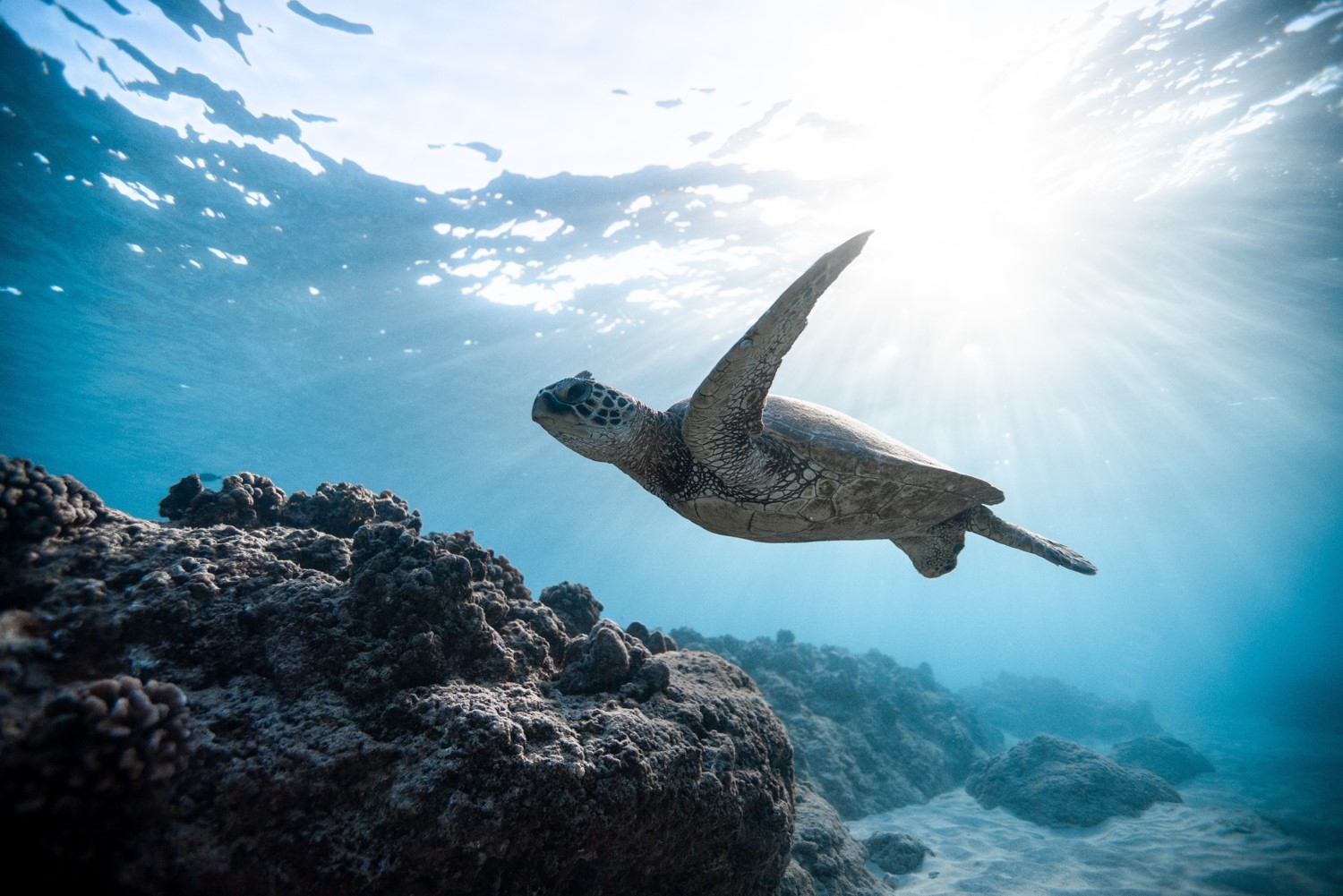
The earth has experienced five mass extinctions. In the past 100 years, more than 400 vertebrate species have become extinct. Under normal circumstances, mass extinction usually occurs once in 10,000 years, but now only 100 years have passed, which means that the rate of extinction has become very fast. Endangered animals include these: Dicerorhinus sumatrensis, Clarion island wren, Chelonoidis nigra, Lepidobatrachus laevis, etc.
Prof Gerardo Ceballos of the National University of Mexico in Mexico City and Stanford University’s Prof Paul Erhlich, and Dr Peter Raven of the Missouri Botanical Garden in St Louis, US. They jointly conducted this research and published it in PNAS. They used IUCN data to identify at least 515 endangered species, with fewer than a thousand individuals left.
Experts estimate that there are currently about 500 species of mammals, birds, amphibians and reptiles that can no longer survive. These all come from human deforestation, upgrading of pollution industry & manufacturing, and illegal hunting. Prof Gerardo Ceballos said: “Based on our research and what we’re seeing, the extinction crisis is so bad that whatever we do in the next 10 to 50 years is what will define the future of humanity.”
Livestock industry destroys environment
In addition to deforestation, development of industry and manufacturing, the livestock industry is the cause of severe damage to the earth. The earth’s resources are limited, and the livestock industry puts heavy pressure on water, land and energy. In order to make food, humans raise more than 70 billion animals, consumption about 30% of the world’s land and 16%fresh water. At the same time, when global food is gradually insufficient, 1/3 of the food is still used for Animal husbandry.
FAO report shows that the livestock industry consumption far exceeds the water needed by all humans 8%. To produce 1 pound of meat, more than 1,800 gallons of water are consumed, which is mainly used for forage production and Irrigation, and environmental cleaning and other purposes. This not only caused resource pressure, but also caused water pollution.
Manufacturing food also produces a large amount of animal manure. These substances emit 400 different harmful gases, including Methane, carbon dioxide, ammonia, hydrogen sulfide and so on. Methane is the most important factor leading to global warming. It can absorb 100 times more heat than carbon dioxide within 5 years. Most Methane comes from cattle on the farm.
Reduce milk, eggs, meat
In order to improve the ecology of the earth, we must reduce the milk, eggs, and meat in our diet. Since the livestock industry is one of the main factors leading to the earth’s environment, humans should control it from the source.
The non-profit organization a well-fed world also encourages people to adopt a plant-based diet, because the livestock industry is not environmentally friendly. The beef production method that produces the same amount of protein and has the least environmental impact is still far greater than the pollution of pea production.
The production of food through the livestock industry requires the use of too much land and water resources, and the emission of too much greenhouse gas, which is not only inefficient, but also highly harmful to the environment. As long as you change your eating habits, eat more vegetables, eat more plants with protein, and reduce the demand for animal food, you can improve environmental pollution.